

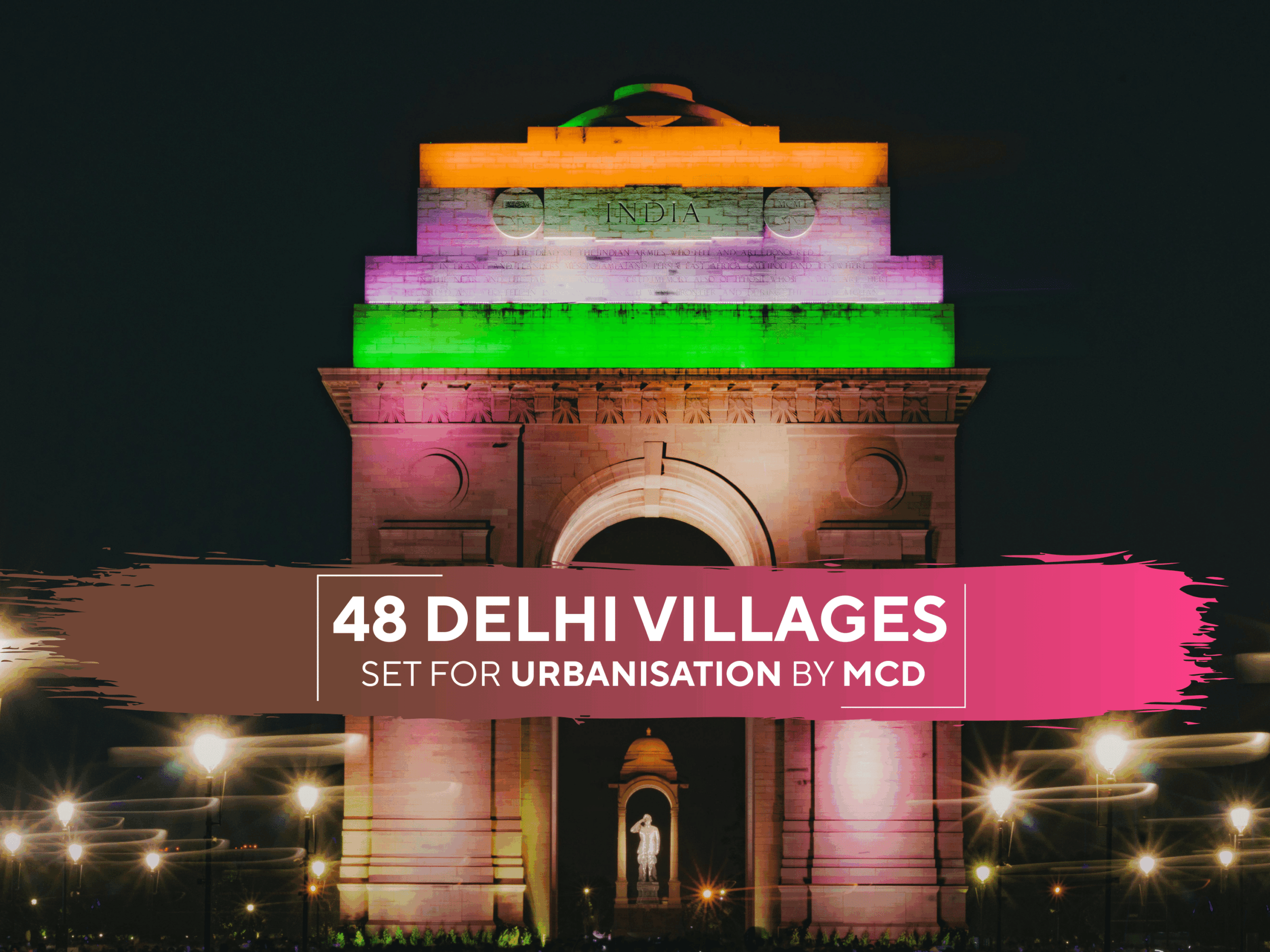
The Delhi urbanisation 2026 plan is transforming 48 Delhi villages, including Sabhapur Village, into modern hubs. With MCD driving infrastructure development, these urbanised villages in Delhi promise excellent real estate growth.
Welcome to the new era of Delhi urbanisation 2026! the landscape of the national capital is shifting rapidly, with the latest reports revealing that 48 Delhi villages urbanised status is officially underway. If you are wondering what this means for local communities, it signals a massive, positive shift overseen by the MCD urbanised areas planning committee and the Delhi Development Authority (DDA). For those living in or investing in these areas, the transition of these urbanised villages in Delhi means better infrastructure, improved civic amenities, and a modern lifestyle right at their doorstep.
A perfect example of this transformation is the Sabhapur region. Sabhapur Extension development set a strong precedent when it was already added to the urbanised list in 2019 by the Delhi Municipal Act. Now, the exciting update is that Sabhapur Village urbanisation is officially on the exact same road of development! Recently announced as part of the new modernisation drive, Sabhapur Village is also going to be developed as a fully urbanised area. This move is a significant milestone for Rural to urban Delhi progress, solidifying its place in the broader Delhi NCR real estate growth story.
What Does “Urbanisation” Actually Mean?
If you are reading this and wondering, “What exactly changes when a village is declared urbanised?
In the past, many of these 48 villages were classified as rural, meaning their development was restricted by older rural building codes, and they often lacked modern city infrastructure. When an area gets tagged for Delhi village development, the responsibility for its civic amenities shifts directly into the hands of the Municipal Corporation of Delhi (MCD) and the DDA.
For the average resident, this translates to:
- Better Roads and Connectivity: Mud roads and narrow lanes are upgraded to paved, wider streets.
- Modern Sewage and Drainage: No more waterlogging during the monsoons, thanks to proper underground drainage systems.
- Commercial Opportunities: Property investment in Delhi villages spikes because residents can now legally open shops, banks, and commercial complexes.
- Access to Parks and Facilities: The DDA will begin planning local parks, dispensaries, and community centres.
The Full List of Urbanised Villages in Delhi
The recent announcement covers a wide belt of the capital, bringing a wave of relief and excitement to thousands of residents. The comprehensive list of urbanised villages in Delhi includes:
Palla, Singola, Mungeshpur, Nizampur, Fatehpur Beri, Jhatikra, Kanganheri, Rawat, Dhansa, Kadipur, Chilla, Bakoli, Hamidpur, Sangarpur, Tajpur Kalan, Daulatpur, Rajpur Kalan, Auchandi, Shahpur Garhi, Rasidpur, Tatesar, Jagatpur, Pur Shahdara, Sabhapur, Badarpur Khadar, Khanpur Khanal, Jafrabad, Chandan Hola, Badusarai, Daurala, Ghumanhera, Jaitpur, Raghopur, Shikarpur, Nanakheri, Bakargarh, Galibpur, Isapur, Kair, Mundela Kalan, Mundela Khurd, Surakhpur, etc.
The Sabhapur Success Story: Extension to the Village
To understand how this infrastructure development in Delhi works in real life, we only need to look at Sabhapur.
Sabhapur Extension was already urbanised by the MCD back in 2019. Over the last few years, the extension area has seen the steady rollout of city-like amenities, making life much more convenient for its residents. Now that Sabhapur Village is included in this new 2026 list, it will naturally benefit from the existing infrastructure network built around the Extension. The village will no longer be left behind; instead, it will merge seamlessly into the expanding urban fabric of the city.
What’s Next for Delhi’s Expanding Borders?
As the DDA gears up to implement new zoning laws and potentially integrate these areas into future land pooling policies, the future looks incredibly bright. This urbanisation drive is not just about changing a title on a piece of paper; it is about elevating the standard of living for everyday people. It brings rural populations into the mainstream economy, providing them with the clean water, reliable electricity, and sanitation they deserve.
Whether you are a local resident of Fatehpur Beri, a small business owner in Sabhapur, or an investor keeping an eye on Delhi’s expanding map, this modernisation initiative marks the beginning of a highly promising chapter for the capital.