

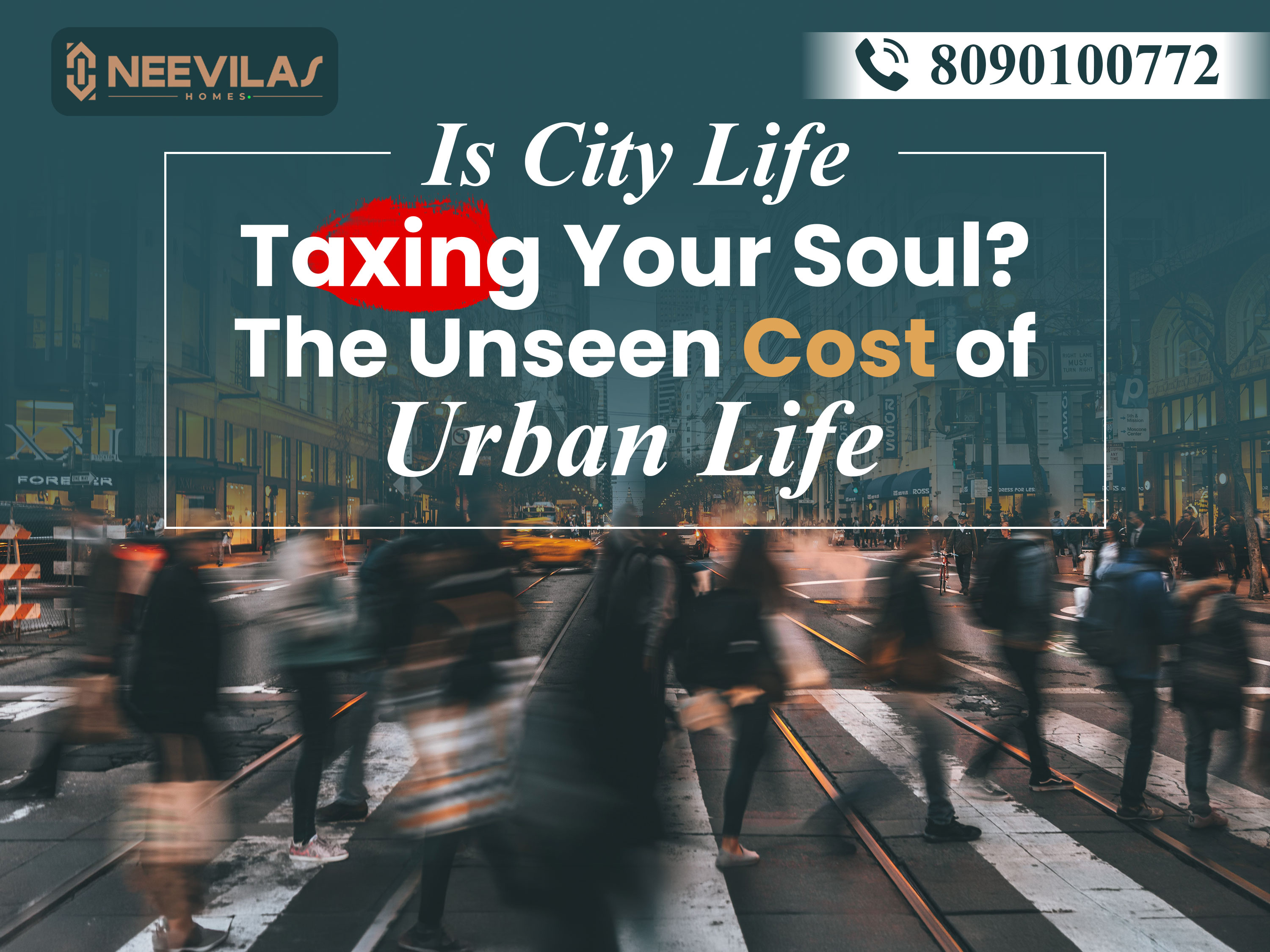
Urban living is a trade-off. We often focus on the skyline, the career opportunities, and the midnight ramen runs, but there’s a ledger running in the background that most of us never check. By 2026, over 55% of the world’s population lives in cities, and while the “hustle” is glamorised, the hidden taxes on our health, time, and spirit are becoming harder to ignore.
This blog breaks down the “unseen costs” of city life and, more importantly, how to reclaim your well-being without moving to a cabin in the woods.
1. The “Second Rent”: Hidden Financial Leakage
We all know the rent is high. But the unseen cost of urban living often lies in the “lifestyle creep” required just to function in a dense environment.
- The Convenience Tax: When you work 10-hour days and commute for 2, you don’t “cook”; you pay a 30% markup on delivery apps.
- The Social Premium: In cities, “hanging out” almost always costs money. Unlike rural areas, where a walk in the woods is free, urban socialising usually happens in third spaces—cafes, bars, or ticketed events.
- The Micro-Maintenance: Dry cleaning for office wear, gym memberships because there’s no room for a home setup, and “sanity spending” (that expensive weekend getaway to escape the noise).
2. The Cognitive Load: Sensory Overload and Decision Fatigue
The city never stops talking to you. From the hum of the HVAC systems to the flickering LED billboards, your brain is in a constant state of active filtration.
- The Noise Tax: Studies show that chronic exposure to urban noise levels (above 65 decibels) can increase cortisol levels and risk of hypertension. You might “tune it out,” but your nervous system doesn’t.
- Nature Deficit Disorder: Lack of “blue and green spaces” has a measurable impact on mental health. Without the fractal patterns of nature to rest our eyes on, we experience higher rates of anxiety and burnout.
3. The “Heat Island” and Your Physical Health
Cities are literal heat traps. The “Urban Heat Island” effect can make city centers 3–5°C hotter than their rural surroundings.
- The Respiratory Toll: 91% of urban dwellers breathe air that fails WHO quality guidelines. This isn’t just about “smog”; it’s about the fine particulate matter (PM2.5) that enters the bloodstream, affecting everything from heart health to sleep quality.
- The Sedentary Trap: Despite being “walkable,” many cities are designed for cars. The “commuter’s back” and the lack of incidental movement are hidden health costs that compound over decades.
How to Audit Your Urban Life: A 3-Step Strategy
You don’t have to leave the city to lower these costs. You just need to be intentional about your “urban budget.”
- Seek “Pocket Forests”: Use tools like Google Maps to find small, tucked-away green spaces within a 10-minute walk of your home. 20 minutes of “forest bathing” can reset your cortisol levels.
- Sound-Dampen Your Sanctuary: Invest in heavy blackout curtains and white noise machines. If the city is loud, your home must be a sensory vacuum.
- Automate Your Health: Since the city encourages “convenience eating,” automate your grocery delivery for whole foods so the default option isn’t the most expensive (and least healthy) one.
The city gives us culture, career, and community—but it doesn’t give them for free. By recognizing the unseen costs of urban living, we can make smarter choices about where we spend our energy and our money.