

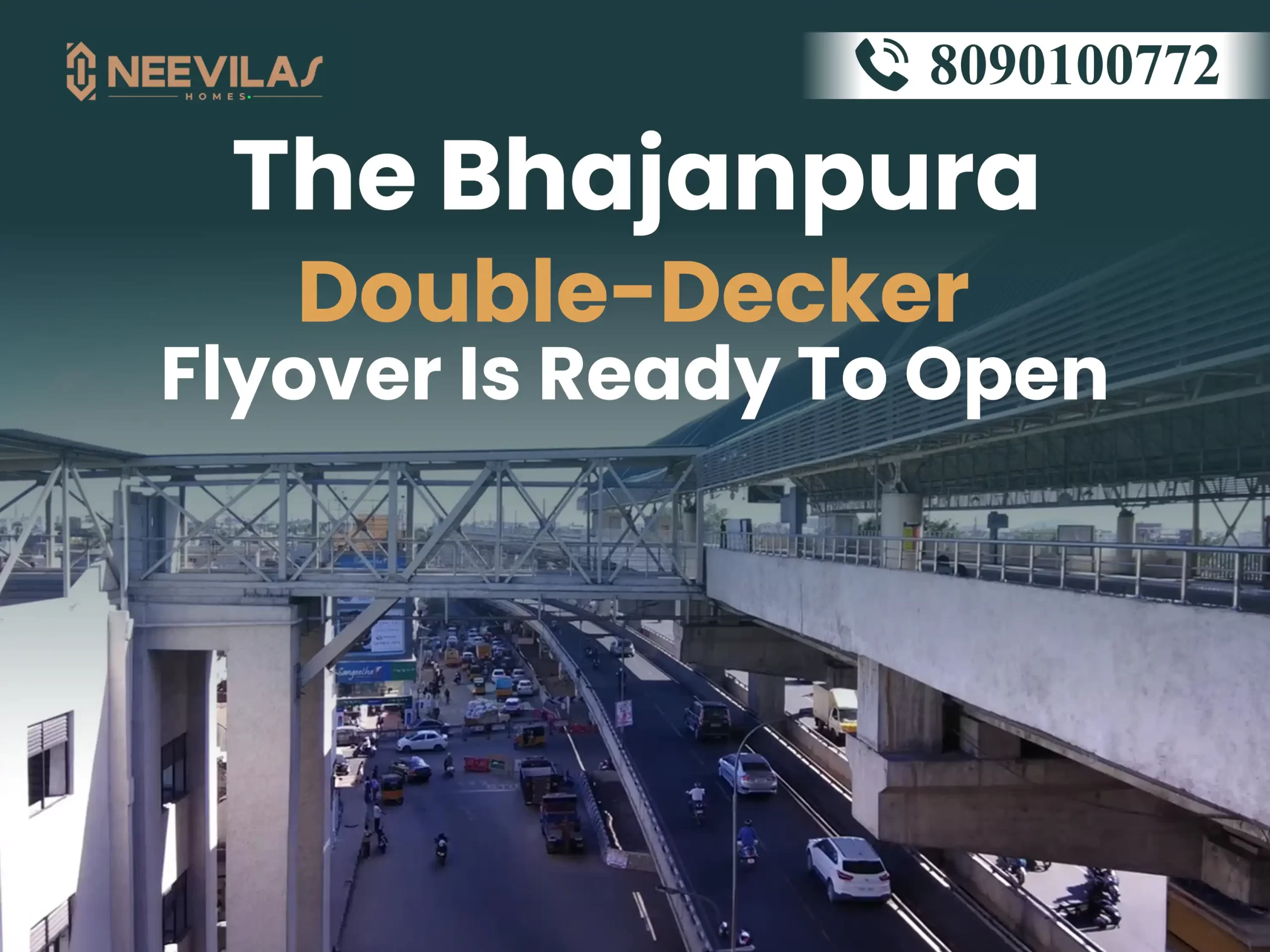
Big news for the residents of North East Delhi! If you have ever been stuck in the sweltering heat at the Bhajanpura intersection, you know that relief has been a long time coming. The Bhajanpura double-decker flyover is finally hitting the home stretch, promising to revolutionise how we travel between Yamuna Vihar and Maujpur.
As a standout highlight of the Delhi Metro Pink Line extension, this engineering marvel is one of the most ambitious DMRC projects to date. By integrating a metro track and a vehicle road on the same set of pillars, this project is specifically designed to tackle the heavy North East Delhi traffic that has been a daily struggle for thousands of commuters.
This massive structure is a crucial piece of the Maujpur-Majlis Park corridor, which aims to bridge the connectivity gap in the city’s ring. The unique double-decker bridge Delhi design features a road for cars and buses on the lower level, while the metro glides overhead on the top level.
Strategically located near the busy Bhajanpura metro station, this project is a shining example of modern Delhi infrastructure development. Through the collaborative efforts of the PWD Delhi flyover department and the DMRC, this latest Yamuna Vihar traffic update signals an end to the long hours wasted in gridlocks, making the dream of a “signal-free” commute a reality for the local population.
A New Era of Commuting in Delhi
For a layman, a “double-decker” might sound like a bus, but in the world of urban planning, it is a space-saving genius. In a crowded area like Bhajanpura, there isn’t enough room to build a separate metro viaduct and a separate road flyover side-by-side. By stacking them, the government has saved space, money, and time.
As we move closer to the inauguration, let’s look at the details through the lens of the most common questions every Delhiite is asking.
Everything You Need to Know About the Bhajanpura Double-Decker Structure
What exactly is the Bhajanpura Double-Decker Flyover?
It is a 1.4-kilometre-long integrated structure. The lower deck is a road flyover built for vehicular traffic (cars, bikes, buses), and the upper deck carries the Delhi Metro tracks. It is part of the Delhi Metro Phase 4 expansion. This “sandwich” design is rare and requires high-level engineering to ensure that the vibrations from the metro don’t affect the road traffic below.
How will this project solve the traffic problems in North East Delhi?
The Bhajanpura-Yamuna Vihar stretch is notorious for bottlenecks. By moving long-distance traffic onto the new road flyover in Delhi, the local street level will be cleared for pedestrians and local shopgoers. This means if you are travelling from Wazirabad toward Maujpur, you can zip across the flyover without hitting a single red light at the Bhajanpura intersection.
Which Delhi Metro line will run on the upper deck?
The upper deck is an extension of the Pink Line (Line 7). This specific 12.55-km extension connects Maujpur to Majlis Park. Once completed, the Pink Line will become the longest “Ring” line in India, allowing passengers to travel around the city with much fewer interchanges. The Maujpur-Majlis Park metro extension is expected to cater to over 1.5 lakh passengers daily.
When is the expected completion and opening date?
While construction is in its final stages with the main pillars and spans already in place, the finishing touches like road surfacing, signalling, and safety trials, are underway. According to recent reports, the civil work is nearly 90% complete. The target is to make the road portion operational for commuters very soon, followed by the metro line after mandatory safety clearances.
What are the key benefits for local residents and students?
Beyond just faster travel, this project increases property value in the surrounding colonies of Yamuna Vihar, Bhajanpura, and Gonda. For students and office goers, the seamless connectivity to North Delhi (DU North Campus) and South Delhi via the Pink Line will reduce travel time by nearly 30 to 40 minutes.
In conclusion, the benefits of double-decker flyovers extend beyond just saving time. They represent a sustainable way to build cities. Instead of cutting down more trees or demolishing more buildings to widen roads, we are building “up.”
As the DMRC and PWD collaboration nears the finish line, this project sets a benchmark for future urban transit solutions in India. For the residents of North East Delhi, the message is clear: the days of being “stuck in Bhajanpura” are numbered. Get ready for a smoother, faster, and much more modern way to navigate your city!