

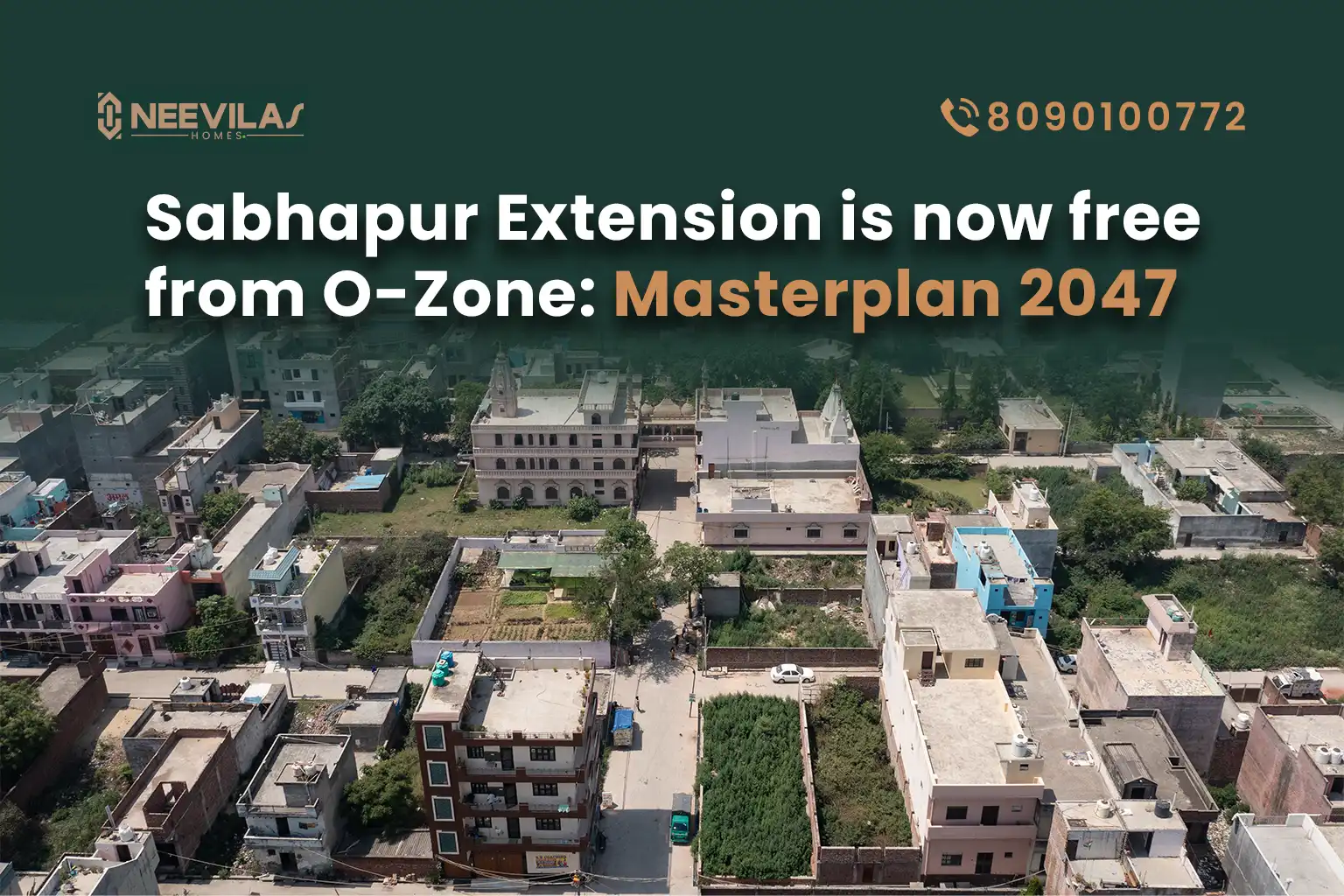
DDA’s Master Plan Delhi 2047 approved on August 12, 2026, divides the Yamuna O-Zone, saving Sabhapur Extension and inland Sonia Vihar from demolition by shifting them to Zone O-2. Karawal Nagar remains secure and allowing construction for residential and commercial.
For months, residents of Trans-Yamuna have been waking up to terrifying demolition news in Delhi, living under the constant, heavy fear of losing their life savings and their homes. The mass panic surrounding the Yamuna O-Zone boundary created chaos, with families wondering if their neighborhoods would soon be reduced to rubble.
But finally, the Delhi Development Authority (DDA) has cleared the much-awaited Master Plan Delhi 2047 (MPD 2047), bringing both strict rules and a massive sigh of relief. If you own a home or are looking to invest in areas like Sabhapur Extension, Sonia Vihar, or Karawal Nagar, this update is the lifeline you’ve been waiting for.
This new master plan addresses the long-standing anxiety by officially splitting the sensitive floodplain into two distinct categories: Zone O-1 (the active riverbed) and Zone O-2 (the outer floodplain buffer).
This crucial division, largely defined by the physical Pushta boundary (embankment), means that many settlements previously marked for aggressive anti-encroachment drives are now breathing easier.
But does this shift mean your property is eligible for the PM-UDAY regularisation scheme? Let’s break down everything you need to know about your property’s legal status, the future of unauthorised colonies in Delhi, and how to protect your hard-earned investment.
What exactly is the Yamuna O-Zone under Master Plan Delhi 2047?
To align with the central government’s vision of Viksit Bharat 2047, Delhi urban planning is undergoing a massive transformation. The O-Zone is a 9,934-hectare ecologically sensitive corridor along the Yamuna River. Previously, this entire area was painted with the same broad brush, leading to widespread demolition fears. MPD-2047 smartly divides it:
- Zone O-1 (6,295 Hectares): The core, active riverbed. A strict floodplain construction ban applies here. No permanent concrete structures are allowed.
- Zone O-2 (Outer Buffer): An eco-regulated zone meant for green trails, parks, and recreational activities.
How did the ‘Pushta’ divide save Sabhapur Extension from demolition?
If you live in Sabhapur Extension, the physical embankment “the Pushta” has been your greatest protector. Because the Pushta acts as a clear geographical barrier separating the deep riverbed from the inland settlements, large portions of Sabhapur Extension have successfully been shifted from the high-risk Zone O-1 into the buffered Zone O-2.
While the authorities are running strict drives against Yamuna riverbed encroachment in O-1, existing homes situated in the O-2 buffer zone are currently shielded from aggressive demolition.
The government has clarified that the immediate goal is to stop fresh concrete construction, giving established residents of Sabhapur Extension much-needed peace of mind.
Is Sabhapur Extension in the Yamuna O-Zone according to the Delhi Master Plan 2047 ?
No, Sabhapur Extension is not located in the restricted O-Zone (Zone-Ⅰ). Under the Master Plan 2047, the broad “Zone-O” classification along the Yamuna corridor is divided into two distinct sub-zones:
- Zone-Ⅰ (Active Floodplain): Covers the active riverbed and high-risk inundation areas where construction is strictly prohibited.
- Zone-Ⅱ (Safe / Authorized Area): Located away from the active riverbed where construction is legal and authorized under Master Plan 2047. Existing structures in Zone-Ⅱ are fully protected under the plan’s “as is, where is” policy.
Why Sabhapur Extension is Flood-Safe and Legal
- 3 KM+ Buffer Distance: Sabhapur Extension sits at least 3 km away from the active Yamuna floodplain.
- Physical Barrier (Pushta Road): The prominent Pushta Road stands directly between the river and Sabhapur Extension, serving as a physical embankment that prevents water ingress even during peak flood events.
- Approved Zone-Ⅱ Status: Being in Zone-Ⅱ, the locality enjoys legal authorization for new construction and immunity from demolition for pre-existing properties.
Will property in Zone O-2 get property ownership rights?
This is the hardest truth of the new master plan.
While MPD-2047 paves the way to regularise over 1,500 unauthorised colonies across the capital on an “as-is-where-is” basis, colonies falling anywhere inside the demarcated Yamuna floodplain are explicitly excluded from the PM-UDAY scheme.
Is it safe for real estate investment in Trans-Yamuna areas? What about land registry?
Navigating real estate investment Trans-Yamuna requires caution and the right knowledge. With the new Master Plan rules enforced, land registry Delhi protocols in floodplain areas are incredibly tight. Buying raw agricultural land or vacant plots in Zone O-1 or the O-2 buffer carries immense financial risk, as new building plans will not be sanctioned.
However, inland areas outside the O-Zone are expected to see a massive boom in valuation.
So it is very advisory to buy property from a trusted Developer, who are in the area since a long time like Neevilas Homes.
Knowledge of proper documentation is very important to have a clear title in a tight legal structure where even a small loophole can be exploited against you.
Quick Area Status Guide:
| Neighborhood / Area | Current MPD-2047 Zone | Demolition Risk | Eligible for PM-UDAY? |
| Karawal Nagar | Zone E (Urbanised) | None | Yes |
| Sabhapur Ext. (Inland) | Zone O-2 Buffer / Zone E | Low (Existing structures safe) | No (If strictly in O-Zone) |
| Sabhapur / Sonia Vihar (Riverfront) | Zone O-1 (Active Riverbed) | High (Strict Ban) | No |
The fear that gripped the Trans-Yamuna region is finally settling, and if you have had sleepless nights due to the O-zone demolition rumours you can sleep tight now. While the dream of official regularisation inside the O-Zone remains paused, the shift to Zone O-2 has given thousands of families in Sabhapur Extension and Sonia Vihar the ultimate relief the safety of their homes.
MPD-2047 brings welcome clarity to Trans-Yamuna. By dividing the O-Zone and protecting existing homes in buffered zones, residents can finally look forward to a secure, stable, and greener future.